
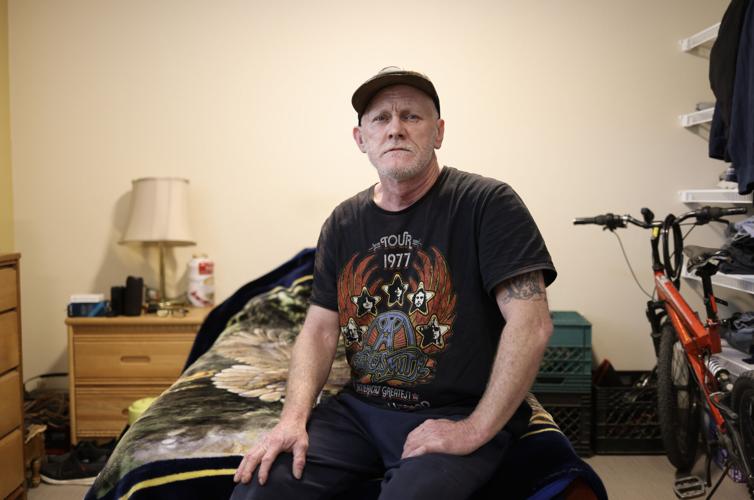







When Jimmy Stone first moved into an apartment at Cottage Hill Place in Yakima last year, he鈥檇 been homeless for more than a decade.
Stone had gone back and forth between spending nights in his car and sleeping in a tent along the Yakima River for 14 years. In some ways, the neighbors who took refuge on the banks nearby had become like family to him聽鈥� if he stretched his food stamps, Stone remembers, he could feed people at聽five or six other camps. But between summer heat, cold winter nights and a constant worry about how to survive, life on the river wasn鈥檛 easy.
It was the type of place that always kept him looking over his shoulder.
鈥淚t's a dangerous place,鈥� Stone said. 鈥淚t's not something I wish on anybody.鈥�
Stone had spent years trying to jump through hoops with service providers, but he said he always felt put on the back burner. Then, one day last fall, he met Sunrise Outreach Center Executive Director Dave Hanson at an outreach event near the Yakima Greenway. Hanson asked him if he wanted a place to stay.

鈥淚 didn't know who he was,鈥� Stone said. 鈥淚n the past, I tried the whole trusting thing up front, and it always fell through for me. So I was a skeptic.鈥�
But Stone took a chance.
A few days later, he made his way up to the apartments at Cottage Hill Place near Milroy Park, where Hanson聽鈥� the program manager聽鈥� told him a unit was available. The two talked through the lease, and a couple weeks later, Stone moved in. Eight months later, he鈥檚 still there.
As Yakima County seeks to address homelessness, leaders and service providers are turning to something called permanent supportive housing. The goal is to give people experiencing homelessness who have complex physical, mental or behavioral health needs a place to live, while also connecting them with wraparound services.
Like any solution, permanent supportive housing isn鈥檛 perfect, but data show that it鈥檚 highly effective at helping people exit homelessness and stay housed, and it saves money. For people like Stone, the case management that comes along with it can make a big difference in accessing help.
These days, Stone is going to doctors' appointments and regularly meeting with Yakima Neighborhood Health Services staff to talk about options for finding employment.
鈥淎ll I needed was a place to get back on my feet,鈥� he said.

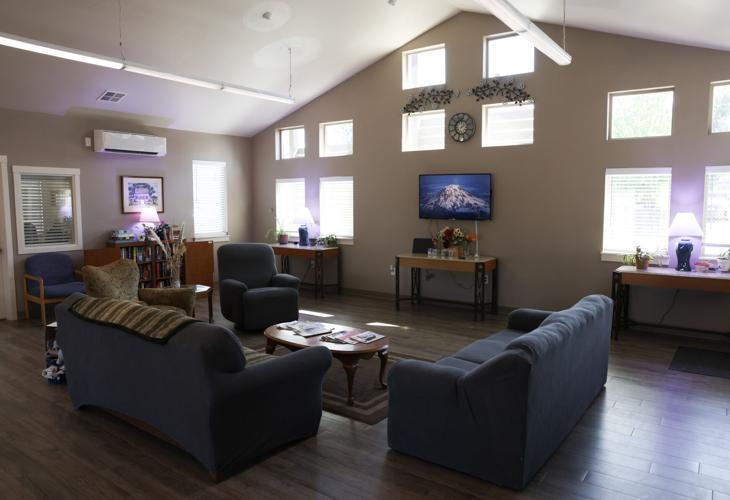
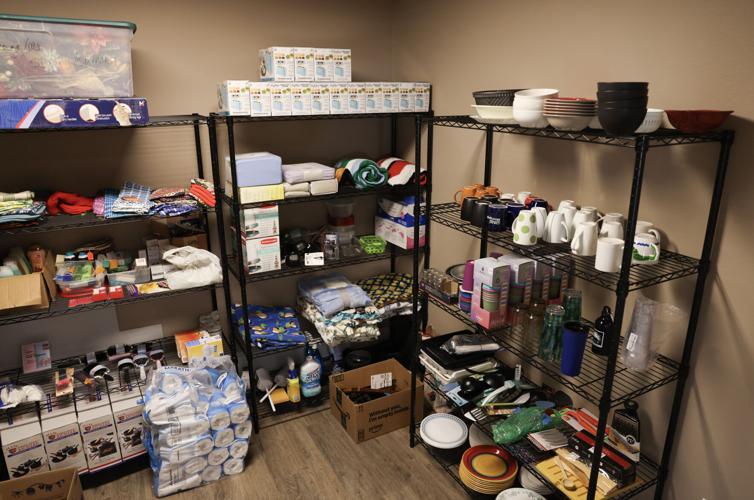
The community center at Cottage Hill Place Wednesday, April 29, 2026, in Yakima, Wash.聽The complex gives people who were homeless a place to live while also connecting them with services.
鈥楾here鈥檚 clearly a need鈥�
Over the last decade, the number of people experiencing homelessness in Yakima County has fluctuated between 580 and 680 people, according to annual . The surveys, which are performed by the county and local outreach partners on a single day in January each year, provide a glimpse into the state of homelessness in the area聽鈥� but they only capture a fraction of the issue. In 2025, more than 3,000 people were connected to the county's homeless crisis response system.
The state Department of Commerce鈥檚 semiannual , which combine information from multiple agency data systems to provide a more comprehensive estimate, counted more than 7,000 people experiencing homelessness in Yakima County last year. When people with unstable housing are included, the number jumps to more than 8,500.

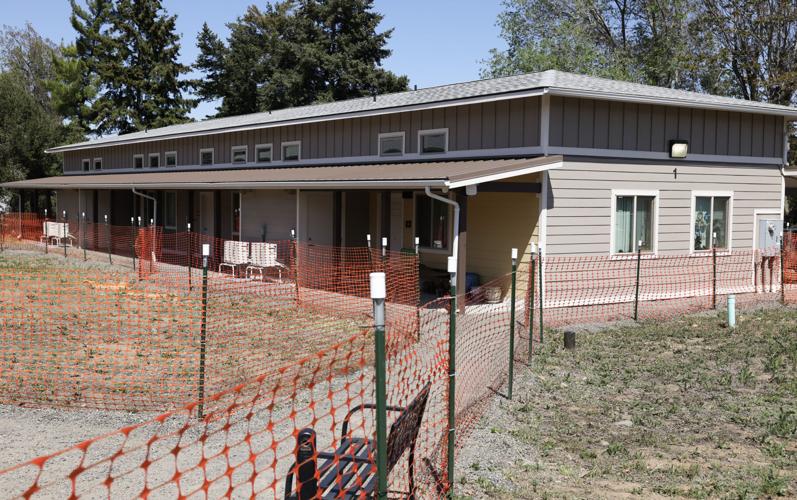
One of the two studio apartment buildings at Cottage Hill Place Wednesday, April 29, 2026, in Yakima, Wash.
鈥淭here's clearly a need, and it's a pretty significant need,鈥� said Marty Miller, executive director of the Office of Rural and Farmworker Housing, a statewide nonprofit based in Yakima. The group has provided technical assistance for housing projects across Yakima County, including permanent supportive housing.
Anytime a community is looking to address homelessness, the cheapest, most effective option is to prevent people from losing their housing in the first place. But for those already struggling with homelessness, a different approach is required. Emergency shelters are one part of the response, but many housing advocates say they鈥檙e not meant to be a permanent solution.
鈥淪helters save lives. Shelters take people out of the cold and the heat and the elements. Shelters allow people to get a place to sleep and a place to eat. But shelters aren't a solution,鈥� said Jennifer Schlenske, executive director of Justice Housing Yakima, which owns Cottage Hill Place. 鈥淭he true model that stops the return to homelessness and stops that revolving door is a house. It's a home.鈥�
In Yakima County, placements for people experiencing homelessness are made using the 聽鈥� an intake, prioritization and referral system that relies on a short survey to determine a person鈥檚 level of vulnerability. Not every person experiencing homelessness will need permanent supportive housing, nor will they qualify for it. For some, time-limited options like transitional housing or rapid re-housing are the steppingstone they need to get back on their feet. But for people with more complex needs, that鈥檚 not always the case.
In 2025, more than half of the people surveyed in the county鈥檚 Point in Time count reported chronic homelessness, meaning they had a disability and had been homeless for more than a year, or had experienced homelessness at least four times over the past three years.

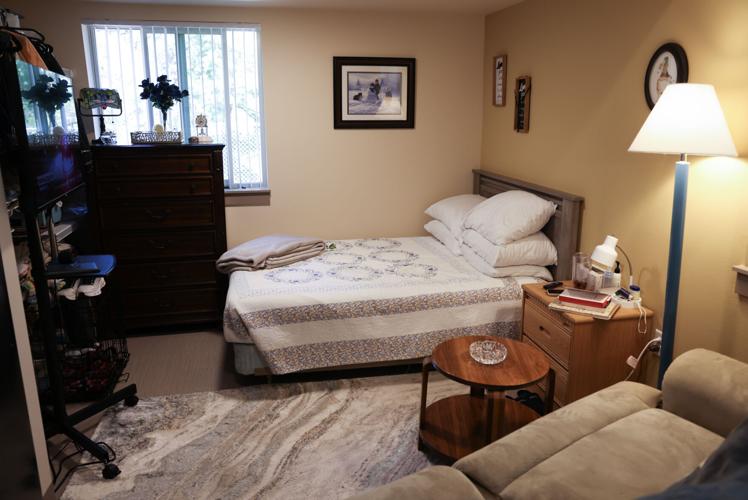
A Cottage Hill Place resident鈥檚 apartment Tuesday, May 5, 2026, in Yakima, Wash.
When it comes to homelessness, those people are often the most visible聽鈥� and the most vulnerable.
鈥淩eally, it doesn't benefit anybody for us to leave individuals living out on the street, living in homelessness,鈥� said Esther Magasis, the county鈥檚 human services director. 鈥淎nd for a certain subset of that population who is living in street homelessness, permanent supportive housing is the best option and is going to be the most viable, sustainable solution for them being able to live somewhere else.鈥�
鈥業t鈥檚 not just housing鈥�
In some ways, permanent supportive housing is like any other kind of rental housing. Tenants sign a lease, follow the terms of that lease and pay rent聽鈥� 30% of their income, whether it be a paycheck, Social Security or military benefits.
A key difference, however, is that the housing goes in tandem with services.
defines permanent supportive housing as subsidized, leased housing for a person living with a complex and disabling behavioral health or physical health condition who was experiencing homelessness or was at imminent risk of homelessness. It has lower barriers to entry than typical rental housing, especially when it comes to things like rental history, criminal history and personal behaviors, and it's paired with voluntary services designed to help the tenant stay housed and access resources like healthcare and employment services.
鈥淭he intent is really that it's not just a housing unit that you throw someone in, and they don't have to pay for it, but they just stay there,鈥� Magasis said. 鈥淵ou're really having to also provide some additional supports to ensure that they are able to successfully live with as much independence and dignity as possible.鈥�
From 2019 to 2025, the number of permanent supportive housing beds in Yakima County increased from 211 to 363, according to from the state Department of Commerce. That number includes more than 200 beds managed by Yakima Neighborhood Health Services, housing for veterans at the Yakima Housing Authority鈥檚 Chuck Austin Place and 16 new units at Justice Housing Yakima鈥檚 Cottage Hill Place, which opened last year.
Those units alone aren鈥檛 enough to meet projected community needs, though. According to estimates in the county鈥檚 , the county will need an additional 790 permanent supportive housing units by the end of 2029.
There鈥檚 a reason the plan calls for more permanent supportive housing. If the goal is to keep people housed, data suggest the effort is working.
A state department of Commerce performance tracker on emergency shelter, transitional and rapid re-housing and permanent supportive housing projects across the state. While not every project in the state is accounted for, the resource provides an indication of how things are working. According to the tracker, 90% of people statewide living in聽permanent supportive housing stayed in that housing or transitioned to permanent housing in the 2025 fiscal year. In Yakima County, the retention rate was 93%. So far this fiscal year, the statewide retention rate is even higher, with some counties reporting a 100% retention rate.

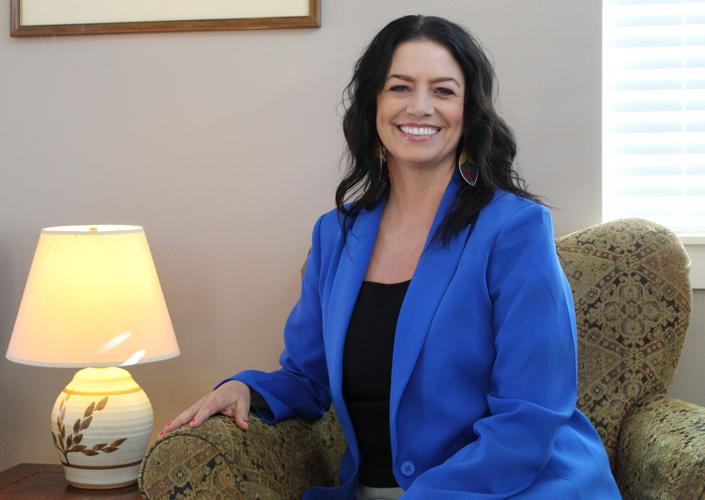
Jennifer Schlenske, executive director of Justice Housing Yakima, sits in the Ellie Lambert Community Center of Cottage Hill Place on Wednesday, Feb. 12, 2025.
Individual housing providers have documented similar successes. In its first year of operation, for example, all but one of Cottage Hill Place鈥檚 16 residents have remained housed, Schlenske said. A聽Yakima Neighborhood Health Services case manager is on site four days a week, and helps connect residents with resources ranging from medical appointments to therapy.
鈥淲e have people who have gotten jobs,鈥� Schlenske said. 鈥淲e have people who have gone to inpatient treatment for their substance use disorder and come back and been able to work their recovery program because they're housed.鈥�
At the end of the day, it鈥檚 those supportive services that make the difference, said Yakima Neighborhood Health Services President and CEO Rhonda Hauff.
鈥淣obody lives in our apartments or in our supportive housing without the supportive services,鈥� Hauff said. 鈥淚t's not just housing. It's not going to be successful without the support services.鈥�
鈥業t鈥檚 an odd feeling鈥�
There are many reasons a person might become homeless聽鈥� not least among them the rising cost of housing. According to a from the Washington Center for Real Estate Research, Yakima County had among the lowest vacancy rates in the state for one- and two-bedroom apartments, and among the highest rent increases from the previous year. At the same time, average home prices in the area have more than doubled in some cities over the last decade.
For Sarah, a Cottage Hill Place resident who asked not to use her real name because of safety concerns, finding housing was nearly impossible.
Previously, Sarah had been living with her daughter and son-in-law and their children. As her health began to decline,聽she knew she had to find a different option.
Sarah tried moving in with a friend, but it didn鈥檛 work out. From there, she stayed in a hotel for a month. The whole time, she worked full-time and searched for permanent housing.
鈥淲hen you go and you're told constantly, 鈥極h, there's 45 people ahead of you on a waiting list,鈥� you're just like, 鈥榃ell, I'm never going to get an apartment there.鈥� You just know it,鈥� she said. 鈥淎nd then, you struggle to have gas money to get to all these places to look, or to even just get a phone number.鈥�
Then, Sarah got sick聽鈥� so sick that she ended up in respite housing. She鈥檇 been there for three months when a pair of Yakima Neighborhood Health Services staff members picked her up and brought her to Cottage Hill Place.
鈥淚t was to the point where I was in my car, sometimes six hours a day, driving around, looking for an apartment or a place that I could afford, and nothing was feasible for me,鈥� Sarah said. 鈥淪o when we pulled up here for the first time, I was kind of in shock, because I had been struggling and wanting my own place for so long. And they said, 鈥榊ou get to pick your unit out.鈥欌��
More than a year later, Sarah has created a haven at Cottage Hill Place. Her apartment is decorated with houseplants. On nice days, her favorite spot to be is in a rocking chair on her front porch, drinking iced tea and reading a book. It took time for the place to feel like home, though.
For the first few weeks, it was hard to believe it was truly permanent.
鈥淲hen you first move in, I think it's an odd feeling for everybody,鈥� she said. 鈥淵ou're super excited, but you're really unsure. Is somebody going to take this away from me?鈥�
It鈥檚 something Stone felt when he moved in, too. After spending years in survival mode, having stable housing wasn鈥檛 the easiest thing to adjust to. When he first got to Cottage Hill Place, he said he didn鈥檛 trust anyone.
鈥淣obody wants to move into a strange place,鈥� Stone said. 鈥淚 guess the not knowing part is what gets me on pretty much every part of my life. If I know what's going to happen, I can deal with it. I mean, I can adjust. But the not knowing鈥檚 what gets you.鈥�
But Stone and Sarah have both seen the difference stable housing can make. Sarah, for example, was finally able to get a home healthcare nurse and receive the help she needed to make sure she could keep getting her medications.
Without those supports, she said she doesn鈥檛 know where she鈥檇 be.
鈥淲hen you live in a regular apartment complex, you don't get that kind of support,鈥� she said.

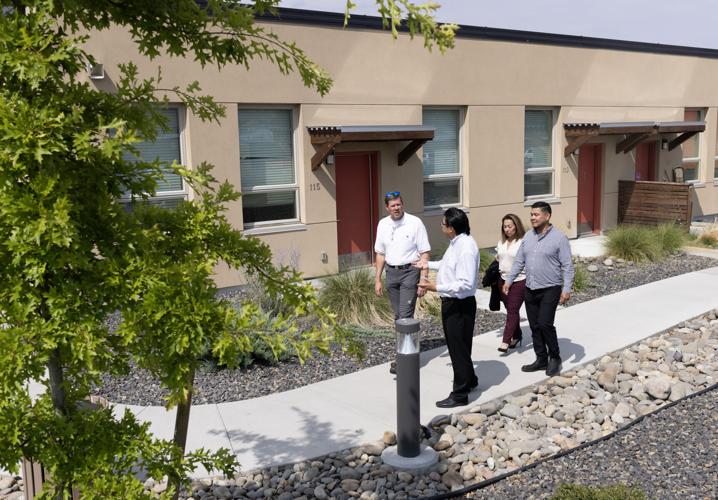
Lowel Krueger, left, gives state Department of Commerce director Mike Fong, center left, a tour of Chuck Austin Place along with Department of Commerce tribal liaison Alden Andy, right, and community engagement specialist Norma Chavez Wednesday, July 5, 2023, in Yakima, Wash.
Challenges
While permanent supportive housing plays a role in addressing homelessness in Yakima County, it doesn鈥檛 come without its challenges.
Although wraparound services are always offered and strongly encouraged, engaging with those services isn鈥檛 a requirement for housing. For those who do use the services, progress isn鈥檛 necessarily immediate or linear. Permanent supportive housing serves the most vulnerable people in the county鈥檚 system. With complex mental and behavioral health concerns, Hanson said聽鈥� whether it鈥檚 a substance use disorder or a psychiatric condition聽鈥� there鈥檚 never a quick fix.
鈥淵ou have to be able to work at a person鈥檚 pace and not give up on them,鈥� he said.
In any community, tenants might have complaints and concerns about their neighbors, and Cottage Hill Place is no exception. While mental health and substance abuse disorders don't prevent people from getting housing, Hanson said management on site addresses behaviors that harm others.聽
Sometimes, the stabilization process takes years.聽Cottage Hill Place鈥檚 case manager routinely reaches out to residents. Yakima Neighborhood Health Services鈥� permanent supportive housing operates similarly.聽The idea is that people deserve a chance to work through their issues in a stable, supportive environment, rather than on the street.

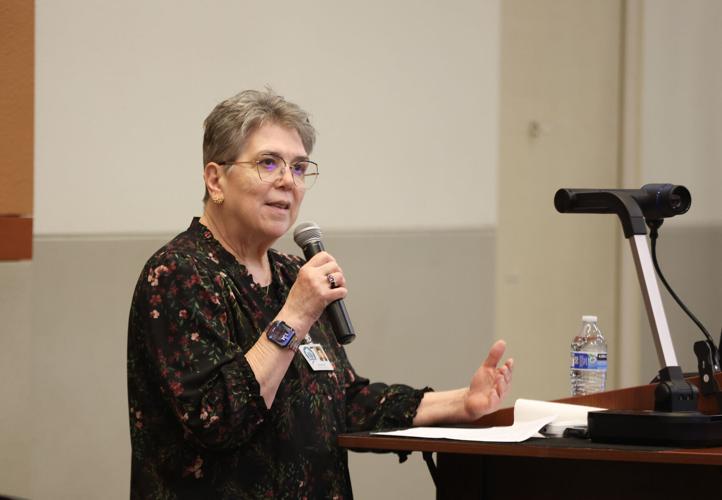
Yakima Neighborhood Health Services CEO Rhonda Hauff at a PNWU Healthcare and Homelessness Forum Thursday, Nov. 21, 2024 in Yakima, Wash.
鈥淪ervices are maybe optional for the client today,鈥� Hauff said. 鈥淚t's not optional for the case manager. Anybody that we have in housing has a case manager, and they may say no today. Tomorrow's another day. That's our mantra, and that's what we live by.鈥�
Another limitation is funding.
Because most tenants pay lower than the market rate for rent, permanent supportive housing will always need government funding to operate. In Yakima County, projects receive a combination of local, state and federal funding. Over the last couple of decades, Hauff said federal funding has been consistent, but a recent shift could drastically change the landscape.
Every year, Housing and Urban Development allocates federal dollars for nonprofits and state and local governments working to address homelessness through its Continuum of Care program. Last year, the agency announced it would be reducing the proportion of funding going toward permanent housing projects from more than 85% to 30%. Under 贬鲍顿鈥檚 definition, permanent housing includes both permanent supportive housing and rapid re-housing.
贬鲍顿鈥檚 suggests that permanent supportive housing should prioritize people who are likely to never be able to return to the workforce. It also emphasizes putting more funding toward transitional housing and supportive service-only projects 鈥渢o ensure that those who can recover and achieve self-sufficiency have the support to do so.鈥�
In the previous fiscal year, only 1% of the in federal Continuum of Care funding nationwide went to transitional housing, while 88% went to some form of permanent housing. For the , 4% of funding went toward transitional housing, while 82% went to permanent housing, half of which was for permanent supportive housing.
In general, Magasis said she agrees with the notion that support services should aim to be temporary whenever possible to encourage people to achieve independence and stability. She鈥檚 excited to see the federal government showing support for transitional housing聽鈥� but she said it serves a different population than permanent supportive housing.
鈥淲e need transitional housing, and we would benefit greatly from more transitional housing as well, but the individuals in permanent supportive housing are not going to benefit from transitional housing,鈥� Magasis said. 鈥淭aking away permanent supportive housing funding would have really detrimental impacts on the homeless response system and on communities as a whole across the country, because those individuals who are highest need聽鈥� who are in the most sort of acute need of support and care in order to be independently successful, who are hardest to house in a standard rental unit on the market聽鈥� those are the individuals that are in permanent supportive housing.鈥�
Late last year, a Rhode Island judge ordered HUD to go back to its previous funding formula. While the decision temporarily keeps the status quo for programs that were already receiving federal funding, it doesn鈥檛 guarantee future funding. Earlier this month, the Trump administration announced it would聽renew its efforts to change the funding model.
A lack of federal funding for Section 8 housing vouchers, which are used to make up the difference between a tenant鈥檚 rent and the market value, also adds to funding strains.
Yakima Housing Authority Executive Director Lowel Krueger said funding levels have struggled to keep up with inflation over the last several years. In the 2025 fiscal year, for example, the housing authority was authorized for 1,312 vouchers but could only afford to lease 1,232 with the appropriations it had received. Justice Housing Yakima had hoped to get vouchers to use for Cottage Hill Place tenants, but wasn't able to because of the shortage.
When Schlenske looks at the funding challenges at play, she said it's important to keep the bigger picture in mind.聽
The National Alliance to End Homelessness estimates that a chronically homeless person costs the taxpayer an average of $35,578 per year for things like Medicaid payments, emergency department visits and other services. Based on the results of more than , the organization estimates that placing someone in supportive housing cuts those costs roughly in half.聽
鈥淲hen a person is experiencing homelessness, they cycle through all the services. They cycle through legal services. They cycle through jail. They use the ER as their聽primary care doctor. They constantly are in need of fire or police, and that's a drain on a community, and it's a drain on taxpayer dollars,鈥� Schlenske said. 鈥淧utting somebody in permanent supportive housing exponentially reduces the cost to taxpayers.鈥�
'Stay engaged鈥�
While funding can be a barrier, providers say they've also observed another potential challenge: people's perceptions of permanent supportive housing.聽
鈥淚 think a lot of people are for supportive housing, but then there's people that have the opinion of, you can't take homeless people and bring them into a housing unit and expect it to work," Sarah said. "There's a lot of people that think that way."
Magasis said she's seen a gradual shift, though. As leaders look to the future, County Commissioner Kyle Curtis said collaboration is key in continuing the momentum.
鈥淓veryone's around the table. We're all talking: the city, the county, the tribe,鈥� he said. 鈥淚 think the next step is to get that coordination in better alignment. And that is where the real work and the hard, hard work really stands.鈥�
The county鈥檚 of its five-year strategic plan allows people to see where the county is at on the goals it has set to address homelessness. As leaders and service providers continue to work on the issue, Curtis encouraged community members to pay attention, track their progress and join the conversation.聽
On its own, a five-year plan doesn't change anything.
But people do.
鈥淐ontinue to watch it, continue to ask questions and continue to stay engaged," Curtis said, "because we cannot have a plan that is static.鈥�







(0) comments
Comments are now closed on this article.
Comments can only be made on article within the first 3 days of publication.