


It鈥檚 a well-known piece of Valley sports history that Dan Doornink, a 1974 graduate of Wapato, played seven seasons for the Seattle Seahawks and was a huge fan favorite as a hard-charging running back.
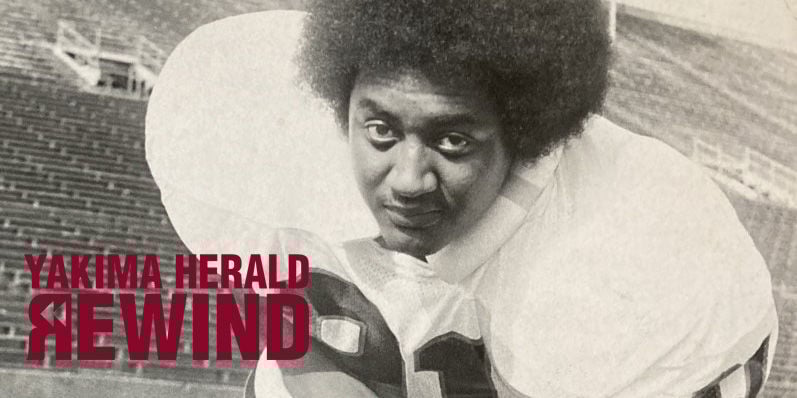
As cool and rare as that was, Doornink had a former neighbor and old prep rival on those teams 鈥� Toppenish鈥檚 Fred Anderson, who already had two Super Bowl rings with the Pittsburgh Steelers. A year older than Doornink, Anderson played in 22 games with six starts at defensive end over three seasons for the Seahawks.
With Seattle on the eve of another playoff appearance, we reprise Scott Sandsberry鈥檚 2006 story on Anderson in the days leading up to Super Bowl XL when Seattle and Pittsburgh met in Detroit.
鈥� Scott Spruill
As a senior star on the Toppenish football team more than three decades ago, Fred Anderson could practically fly. 鈥淚 remember one catch he made,鈥� recalls his coach, Bob Winters, 鈥渁nd I swear it looked like he was 20 feet off the ground.鈥�
That was nothing. This week, Fred Anderson is really up in the air.
As the hours wind down until Super Bowl XL, Anderson finds himself with both a unique perspective and an absolute conundrum: The two teams he played for during his 1978-1982 National Football League career will be the combatants in Sunday鈥檚 contest.
Does he root for the Pittsburgh Steelers, with whom he earned two Super Bowl rings? Or Seattle, the team with whom he finished his career and the community in which he still lives?
鈥淵ou know what? It is a conflict for me,鈥� says Anderson, who operates a construction company in Mountlake Terrace.
鈥淚 want to see the Steelers win because of the Rooney family. They鈥檙e great people, great (team) owners, and that city really supports their Steelers. Everything else can be shut down and the economy can be awful, but as long as the Steelers are playing, they鈥檒l be there for that game.
鈥淏ut I live in Seattle. (Kirkland, to be specific.) Washington is my home. I have strong ties with the Seahawks; I鈥檓 very loyal to the Seahawks. They do a lot of things for their alumni here, they do their best to take care of us.鈥�
鈥淪o I have two families. I鈥檓 really torn.鈥�
Anderson was one of the best athletes his first sports family 鈥� the Toppenish Wildcats 鈥� ever had. A three-sport athlete (he averaged 20 points in basketball and earned a state track medal in the 100-yard dash), Anderson 鈥渃ould do whatever you wanted,鈥� says Winters, his football coach.
After graduating in 1973, Anderson went to Oregon State, where he started for two years before a coaching change prompted him to transfer to Prairie View A&M in Texas.
After Prairie View, he signed a free-agent contract with the Steelers, earned a spot as a backup defensive end and played all 16 games of the team鈥檚 1978 run to Super Bowl XIII. And just running out onto the field for that game was something he鈥檒l never forget.
鈥淚t鈥檚 like you鈥檙e not even running on the ground. You鈥檙e running 10 feet off the ground,鈥� he says. 鈥淎t the time you know, this is the biggest game of the year, of your life ... a lot of players don鈥檛 get that opportunity.鈥�
The occasion was so big, he said, that for most of the game he was 鈥渒ind of numb鈥� about it all, playing by rote. His personal Super Bowl moment came not on the field during the Steelers鈥� 35-31 victory over Dallas, but after it. He was sitting in the locker room alongside his good friend Dwight White, one of the big names of that 鈥淪teel Curtain鈥� defense.
鈥淚 was happy, but it had not really sunk in, what we had done. And he just laughed,鈥� Anderson says of White. 鈥淗e鈥檇 been in my shoes once before鈥� 鈥� as a first-time Super Bowler 鈥� 鈥渁nd he could just tell by the look in my eyes that it hadn鈥檛 sunk in yet.
鈥淵ou come out of college, a greenhorn, snotty-nosed kid out of college, and you land into this big sucker.鈥�
The Steelers would earn Anderson another Super Bowl ring the following year, but for him it would be a bittersweet experience. After breaking his right hand during preseason practices, he spent the season 鈥� and the Super Bowl 鈥� on the injured-reserve list.
鈥淚 was very unhappy,鈥� he recalls, 鈥渂ecause I really felt I was healthy enough to be back on the team.鈥� In those days, NFL rules dictated that a team bringing a player off injured reserve first had to place him on waivers, during which any team could claim him. 鈥淭hey felt I wouldn鈥檛 clear waivers, that some team would claim me,鈥� Anderson says, 鈥渁nd they didn鈥檛 want to take that chance.鈥�
After the 1979 season, Anderson was traded to Seattle, where he became a part-time starter and played three seasons, two of them shortened by injuries. After two seasons with the Birmingham franchise of the now-defunct United States Football League, he retired from the sport.


(0) comments
Comments are now closed on this article.
Comments can only be made on article within the first 3 days of publication.